Krasnodar, 8 October – Yug Times. Private investment in resort development in Krasnodar Krai continues to grow even as hotel occupancy declines, highlighting the industry’s ability to operate in difficult conditions and compete for demand. Experts, however, say the sector lacks the management skills needed to navigate a shrinking market.
According to the regional Ministry of Resorts, Tourism and Olympic Heritage, agreements have been signed for 77 projects worth 800 billion roubles. In five municipalities along the Azov coast, 42 projects worth 60 billion roubles are under development.
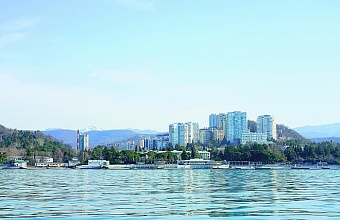
The past season was far more difficult than the previous one, hoteliers say. In Sochi, drone attacks have directly affected occupancy, particularly at hotels on the seafront near the city centre and port. The wider downturn has also been driven by flight disruptions, an unfavourable information environment, the fuel crisis, weaker household purchasing power and companies cutting back on corporate resort bookings.
Industry representatives argue, however, that the problems are not purely external. The sector faces a serious shortage of experienced managers. The departure of international hotel brands has exposed gaps in local expertise, while many developers have entered resort construction from residential property, where the required skills are different.
Another concern is the widening gap between developers and hotel operators. Some resort properties are sold to investors with promises of passive income that the finished operation cannot realistically deliver. As a result, investors are increasingly selling at a loss simply to exit projects. Properties bought at around one million roubles per square metre can now be sold for 500,000-600,000 roubles, with investors sometimes accepting losses of 25-30%.
Investor interest is also shifting between destinations. After a surge of interest in Crimea last year, demand has moved to Anapa, which is currently leading the market in sales. Prices there have risen sharply: properties that previously sold for around 8 million roubles are now being offered at 13 million or more. By contrast, demand on the Azov coast has fallen sharply, partly because of climate change and the growing presence of jellyfish.
Competition for Russian tourists is expected to intensify in the coming years, both between Russian destinations and with foreign resorts. Türkiye, Vietnam and China’s Hainan and Sanya are all expected to compete more aggressively for Russian visitors, particularly outside the peak summer season.
За всеми важными новостями следите в MAX, Telegram, во «ВКонтакте», «Одноклассниках», YouTube и на Rutube